

High Recurrence Rate after Surgery for Endometriosis: Long-term Drug Management and Consolidation Plan of Herbal Medicine
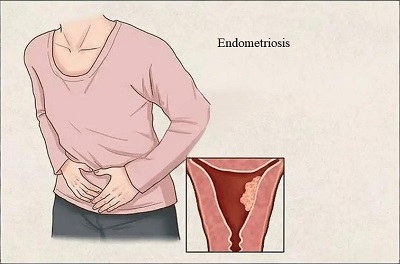
Ladies, endometriosis, a “aggravating little monster” - why is it called a “benign cancer”? Not only because the lesions grow everywhere like weeds, but also because even after surgery, the recurrence rate within 5 years is as high as 50%! Many people think “once the operation is done, everything will be fine”, but they didn't nurse it properly. During the follow-up check, they found it had returned. It's really exhausting both physically and mentally. In fact, surgery is just the first step. What truly determines the outcome is the long-term management after the operation. Today, let's talk about how to use herbal medicines to help prevent recurrence, and combine it with scientific long-term drug management to firmly hold your health in your own hands.
I. Why is the Recurrence So Easily after Surgery: Understand the Tactics of the “Enemy”
Don't rush to take medication yet. We need to first figure out who the “enemy” is. The essence of endometriosis is that the endometrial tissue “goes to the wrong place”, settling in the ovaries, fallopian tubes, pelvic cavity, or even farther areas. Surgery can remove the visible lesions, but those tiny and latent “seeds” may still be present. Moreover, the body's hormone environment has not changed (especially the high level of estrogen), and these “seeds” are prone to germinate, leading to recurrence.
Therefore, the core of postoperative management lies in just two words: Inhibition - inhibiting the regeneration of the lesion, suppressing excessive estrogen activity, and regulating the overall condition of the body. Western medicine has “main forces” such as GnRHa and contraceptive pills, but many sisters are worried about the side effects or want to find a milder long-term solution. At this point, the advantages of herbal medicine come into play.
II. How to Treat with Herbal Medicine: It's Not “Folk Remedies” But Scientific Conditioning
When people talk about traditional Chinese medicine, they often think of “taking some herbal decoctions and trying some folk remedies”. In fact, formal TCM treatment is systematic and emphasizes treatment based on syndrome differentiation. It requires personalized prescriptions based on your constitution, symptoms, and post-operative recovery status. It's not something that can be done simply by grabbing a few herbs. Now, let me outline for you the “three major strategies” of TCM in preventing recurrence after surgery:
1. Promote Blood Circulation and Eliminate Blood Stasis - Thoroughly Removing the “Chronic Problems” from the Body
Endometriosis in traditional Chinese medicine falls under the categories of “syndrome and accumulation”, “dysmenorrhea”, and “infertility”. The core pathogenesis is “blood stasis”. Although surgery removes the lesion, there may still be residual blood stasis in the pelvic cavity, causing local adhesions, pain, and even laying the groundwork for recurrence. There are many effective herbs that “activate blood circulation and eliminate blood stasis”, such as Salvia miltiorrhiza, peach kernel, safflower, notoginseng, and leonurus. They can improve pelvic circulation, promote inflammation absorption, reduce adhesions, and are equivalent to a “deep cleaning” of the internal organs, leaving no place for those latent lesions to hide.
I have seen many ladies who persisted in taking some herbal medicines for promoting blood circulation and resolving blood stasis for a period of time after surgery. During the follow-up check-ups, they found that the pelvic environment had significantly improved and the pain had also lessened. However, it should be noted that blood-activating medicines should not be used randomly. Especially when the wound has not fully healed in the early postoperative period, they should be used under the guidance of a doctor to avoid the risk of bleeding.
2. Soothe the Liver and Regulate Qi Flow and Balance the “Emotion + Hormone” Dual Channels
Have you noticed that many women with endometriosis tend to have a short-tempered personality? When they are anxious or under stress, their menstrual pain gets worse? Traditional Chinese medicine states that “soothe the liver and regulate qi”. If the liver qi is not smooth, it will lead to stagnation of liver qi, which in turn affects the circulation of qi and blood, and aggravates blood stasis. Moreover, the stagnation of liver qi can also affect the endocrine system, causing unstable estrogen levels, which is precisely the “breeding ground” for the recurrence of endometriosis.
Therefore, in traditional Chinese medicine treatment, “relieving the liver and regulating qi” is highly emphasized. Commonly used herbs include radix bupleuri, Cyperus rotundus, radix curcumae, and white paeony root. These herbs not only can alleviate mood swings and improve sleep, but also can indirectly regulate hormone levels, allowing the body to be in a more “calm” state and reducing the chance of active lesions. Many women have reported that after taking herbs for relieving the liver, not only did their mood improve, but their menstrual cycles became regular and their pain also decreased.
3. Tonify the Kidneys and Regulate the Menstruation: Laying the Foundation for a “Long-term Battle”
Endometriosis has a long course of treatment, and postoperative recovery also takes time. Many patients may experience symptoms such as fatigue, lower back pain, and irregular menstruation. Traditional Chinese medicine believes that this is related to “kidney deficiency”. The kidney governs reproduction, and when the kidney qi is sufficient, the two meridians (chong and ren) can be harmonized, the menstruation can be normal, and the body's resistance will also be strong.
Therefore, during the middle and later stages of the postoperative period or the long-term maintenance phase, doctors often prescribe tonic kidney-nourishing medications, such as rehmannia, Chinese yam, Semen Cuscutae, ligustrum lucidum ait, and herba taxilli. These are not “extreme tonics”, but rather they are used for gradual regulation to help restore ovarian function, stabilize the menstrual cycle, and enhance physical fitness, thereby reducing the risk of recurrence. Especially for sisters who have fertility needs, the traditional Chinese medicine for tonifying the kidneys and regulating menstruation can also improve the receptivity of the endometrium, laying a foundation for pregnancy.
III. How to Use TCM: It Doesn't Conflict with Western Medicine and the Key Lies in “Combination + Long-term”
Many sisters often ask: Can traditional Chinese medicine replace Western medicine? My suggestion is: Rather than choosing one over the other, combining both approaches yields the best results. For example, in the early stage after surgery, GnRHa can be used to quickly suppress estrogen, and at the same time, traditional Chinese medicine can be used to alleviate side effects such as hot flashes and bone pain; when it enters the maintenance period, when using contraceptive pills or Mirena ring, traditional Chinese medicine can be used to regulate the body and alleviate the discomfort caused by long-term medication.
Moreover, traditional Chinese medicine is more suitable for long-term maintenance treatment. Western medicine usually requires a long period of maintenance treatment (sometimes lasting 1-2 years), but many people find it difficult to adhere to it due to the severe side effects. However, traditional Chinese medicine is relatively mild. As long as the syndrome differentiation is accurate, it can be used for half a year or even longer, gradually regulating the internal environment of the body and truly achieving "treating both the symptoms and the root cause".
How to arrange it specifically? I suggest taking three steps:
1. 1-3 months after surgery: Focus on promoting blood circulation and resolving stasis to facilitate recovery, prevent adhesions. Medications such as Guizhi Fuling Pill or Xuefu Zhuyi Capsules can be used, combined with prescribed Western medicine under the guidance of the doctor.
2. 3-12 months after surgery: Add herbs that soothe the liver, regulate qi, and soften indurations and resolve nodules to control the regeneration of the lesion, while regulating emotions. Modified products like Xiao Yao Wan can be used.
3. More than 1 year after surgery: Mainly focus on tonifying the kidney, regulating menstruation, and strengthening the body to enter a long-term maintenance stage. Medications such as Liu Wei Di Huang Wan or Wuji Baifeng Pills can be used with adjustments, and regular follow-up visits are required to adjust the prescription.
Remember: Do not prepare the medicine by yourself! You must consult a qualified traditional Chinese medicine gynecologist who will prescribe the medicine based on your tongue condition, pulse pattern, and constitution. Regular follow-up visits are necessary for adjustments. Chinese medicine is not a “universal remedy”; it is only effective when used correctly; using it wrongly may even have the opposite effect.
IV. Long-term Medication Management: Treat “Preventing Recurrence” as a Lifelong Commitment
Whether it's traditional Chinese medicine or Western medicine, the key is to persist. Endometriosis is like a “chronic disease” that requires long-term management. One cannot stop taking the medication just because the symptoms improve. Suggestions:
The treatment period should be at least 2 years and don't give up halfway. Many cases of recurrence are due to the intermittent use of medication.
Regular check-ups are essential: conduct a gynecological B-ultrasound and CA125 test every 6 months, and if necessary, perform an MRI to detect any early signs in time.
The lifestyle should be coordinated: avoid strenuous exercise during menstruation to prevent retrograde flow of menstrual blood; have a light diet, avoid eating raw, cold, and spicy foods; maintain a cheerful mood and don't let emotions "block" the flow of qi and blood.
For sisters with fertility plans: don't wait until the recurrence occurs to start preparing for pregnancy. During the postoperative recovery period, you can follow the doctor's guidance to adjust your body while preparing for pregnancy. Pregnancy itself is also a kind of "natural protection" for endometriosis.
V. Words of Comfort for Sisters: Don't be Afraid and You are Not Fighting Alone
I know that many sisters are tortured by endometriosis, fearing recurrence, infertility and pain. But I want to say that medicine is advancing, and we have more and more tools at our disposal. TCM is not universal, but rather a gentle and long-lasting support that helps stabilize your body, reduce recurrence and improve your quality of life.
Don't think that “the surgery is over” means the end. The true victory lies in maintaining scientific management every day. Choose the right doctor, use the right treatment plan, and be patient. You will surely be able to coexist peacefully with this “little monster” and even leave it far behind.
If you are also “fighting” endometriosis, please feel free to leave a comment to share your experience. Let's stick together, protect ourselves scientifically from recurrence, and live our own wonderful lives!
Endometriosis and Debilitating Bowel & Bladder Pain: Diagnosis, Treatments, and Hope for Relief
previous pageCan Chinese Herbs Eliminate Endometriotic Lesions? — Evaluating the Role of Blood-Invigorating and Mass-Resolving Therapy in Endometriosis
next page- Managing Endometriosis-Related Chronic Pelvic Pain with TCM
- TCM Treatment of Endometriosis: Herbal Formulas for Qi Stagnation and Cold Blood Stasis
- Endometriosis-Related Fibroids: Surgery or Medication?
- Can Chinese Herbs Eliminate Endometriotic Lesions? — Evaluating the Role of Blood-Invigorating and Mass-Resolving Therapy in Endometriosis
- High Recurrence Rate after Surgery for Endometriosis: Long-term Drug Management and Consolidation Plan of Herbal Medicine
Testimonials
- Adenomyosis with Ureaplasma Urealyticum Cured by Fuyan Pill
- Tubal blockage with hydrosalpinx can be cured by TCM shortly
- Fuyan Pill Helps A woman with Adenomyosis Get Pregnant
- A Woman with Hydrosalpinx Is Cured with Fuyan pill
- Pelvic Inflammatory Disease Testimonials
- Irregular Vaginal Bleeding and Endometrial Thickening Cured by Fuyan Pill
- Pruritus Vulvae and Frequent Urination: Mycoplasma Infection Cured after 2 Courses